Caution, Warning or Danger: choosing the right level
ANSI Z535 defines three severity levels, and using the wrong one is worse than using none. Danger (red) marks an immediate hazard that will cause death or serious injury. Warning (orange) marks a hazard that could cause death or serious injury. Caution (yellow) marks a hazard that could cause minor or moderate injury. Over-signing with Danger trains people to ignore it, which is precisely the failure the standard exists to prevent.
Where caution signs are typically used
- Wet or slippery floors, during and after cleaning
- Low clearance, low headroom and overhead obstructions
- Forklift and vehicle traffic in warehouses and yards
- Hot surfaces, steam lines and heated equipment
- Trip hazards, steps, ramps and uneven ground
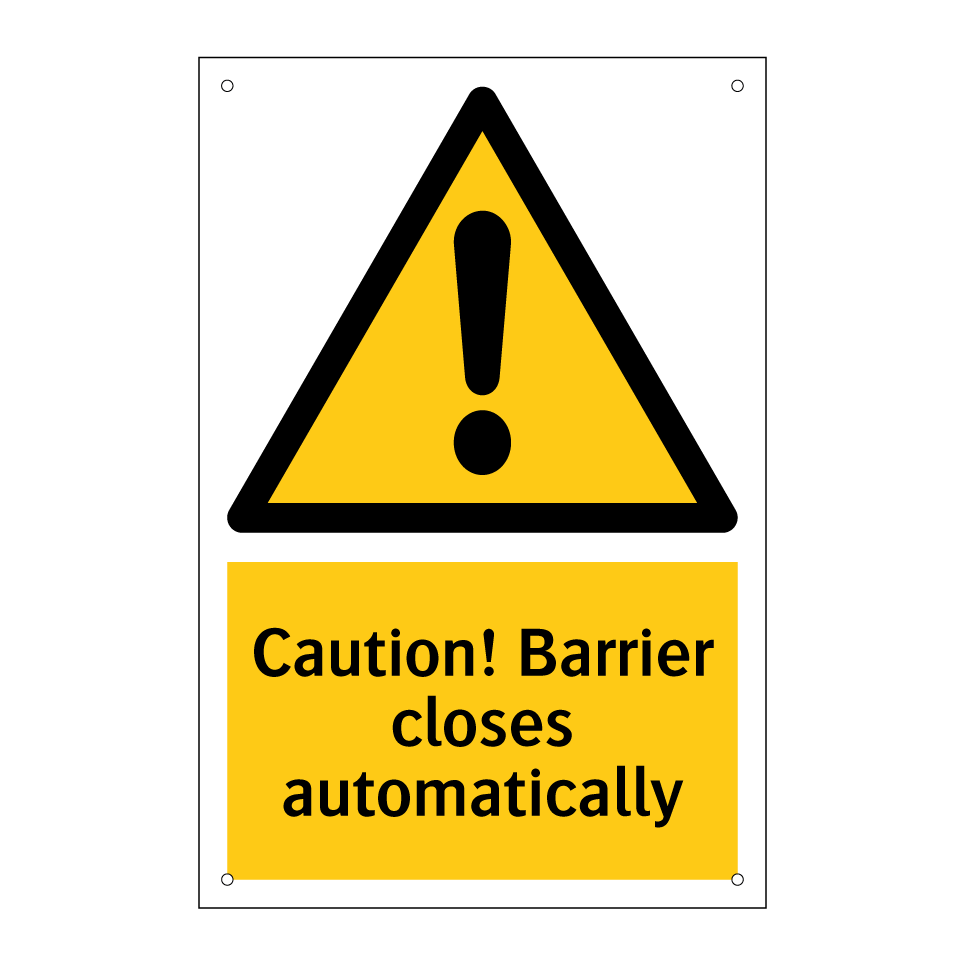
- Automatic doors, gates and moving barriers
Choosing a material
Aluminium is the right default for outdoor, wet or industrial positions. It will not rust, warp or fade, and typically lasts 7-10 years. Rigid plastic suits indoor walls and doors at lower cost, with a 3-5 year life. Self-adhesive vinyl works on glass, machinery and curved surfaces where drilling is not an option.
What size do I need?
A practical rule is roughly 25mm of letter height for every 10 metres of viewing distance. In most indoor settings 200x300mm is enough. Vehicle areas, yards and high-ceiling spaces usually need 300x450mm or larger, because people are moving faster when they first see the sign.
Frequently asked questions
What colour is a caution sign?
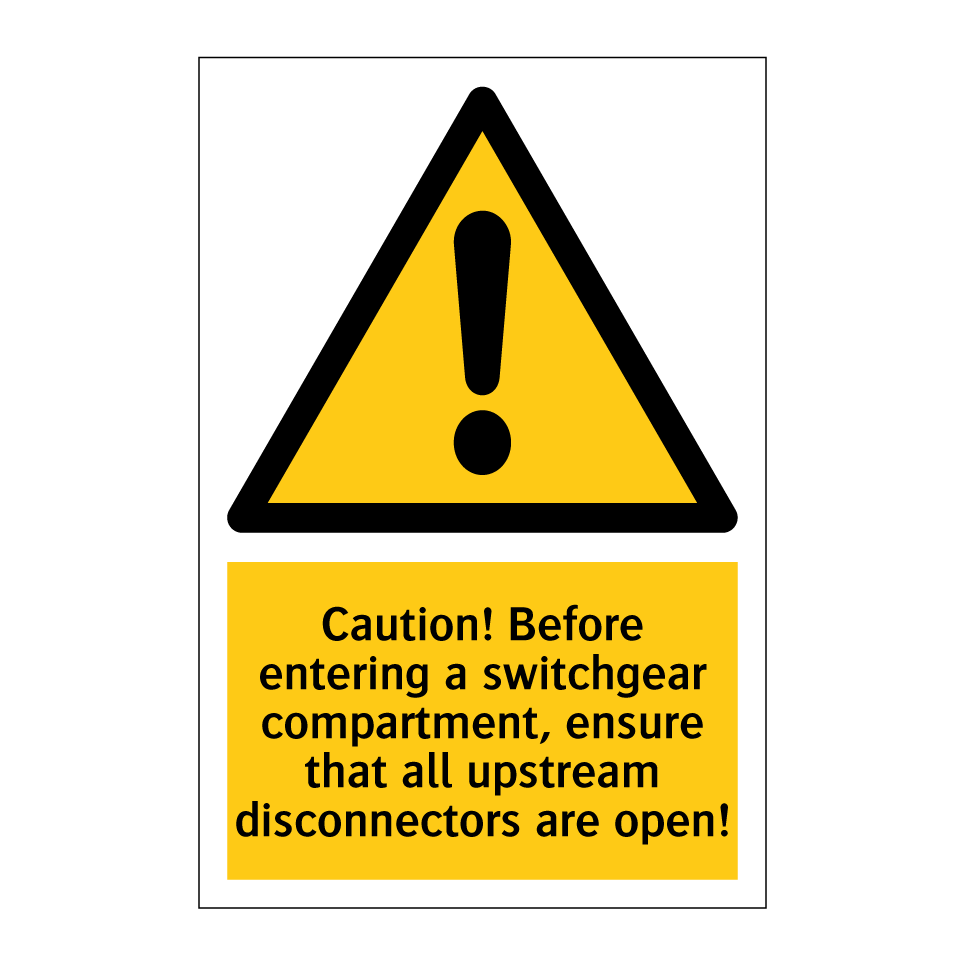
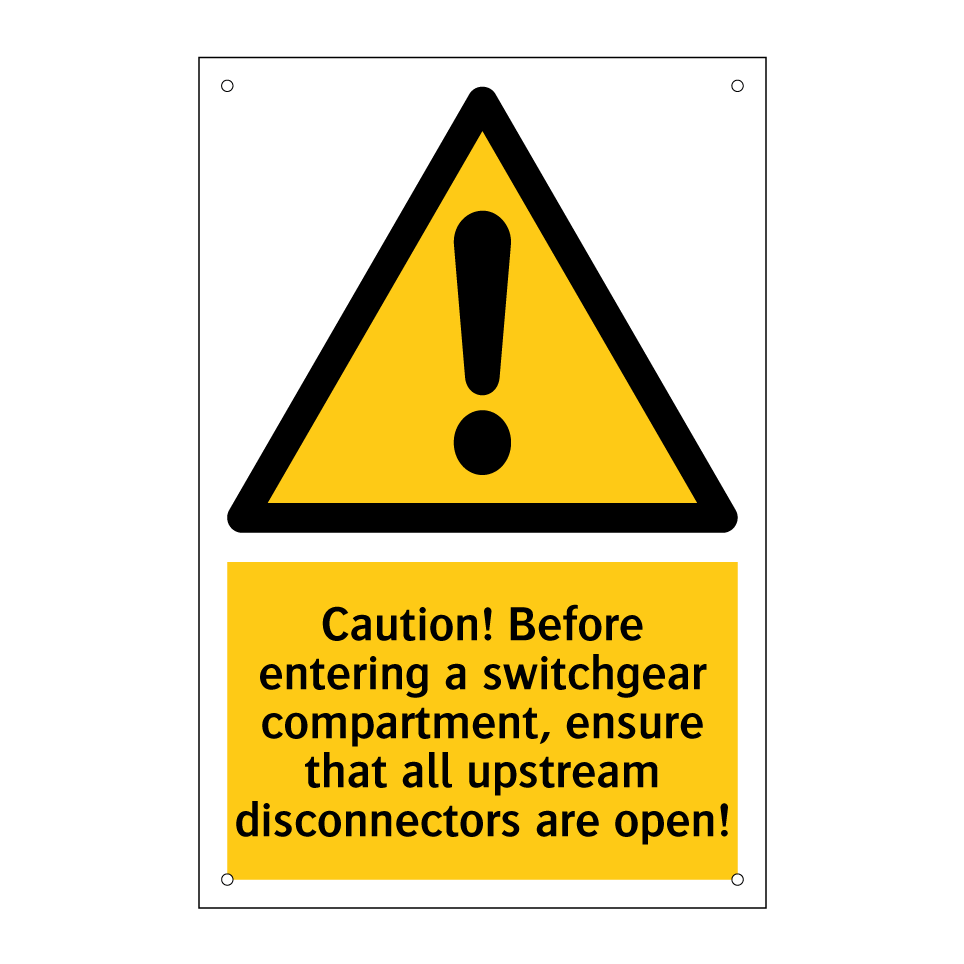
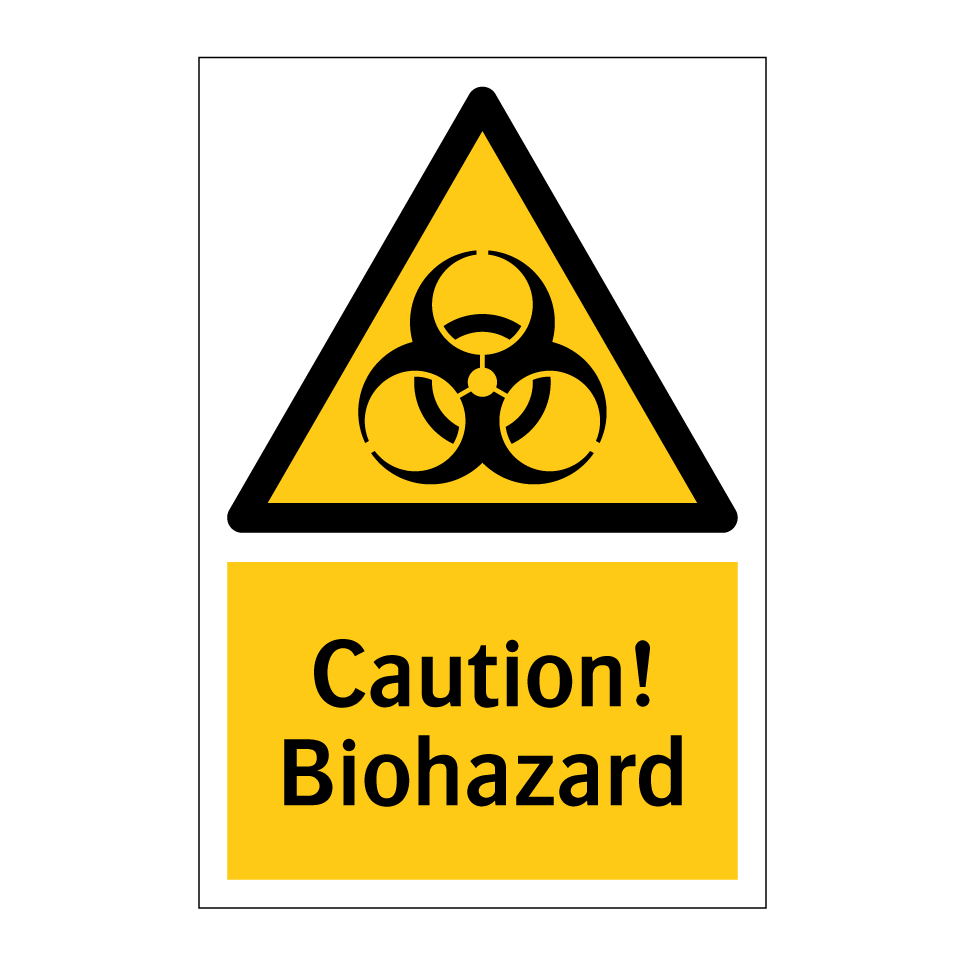
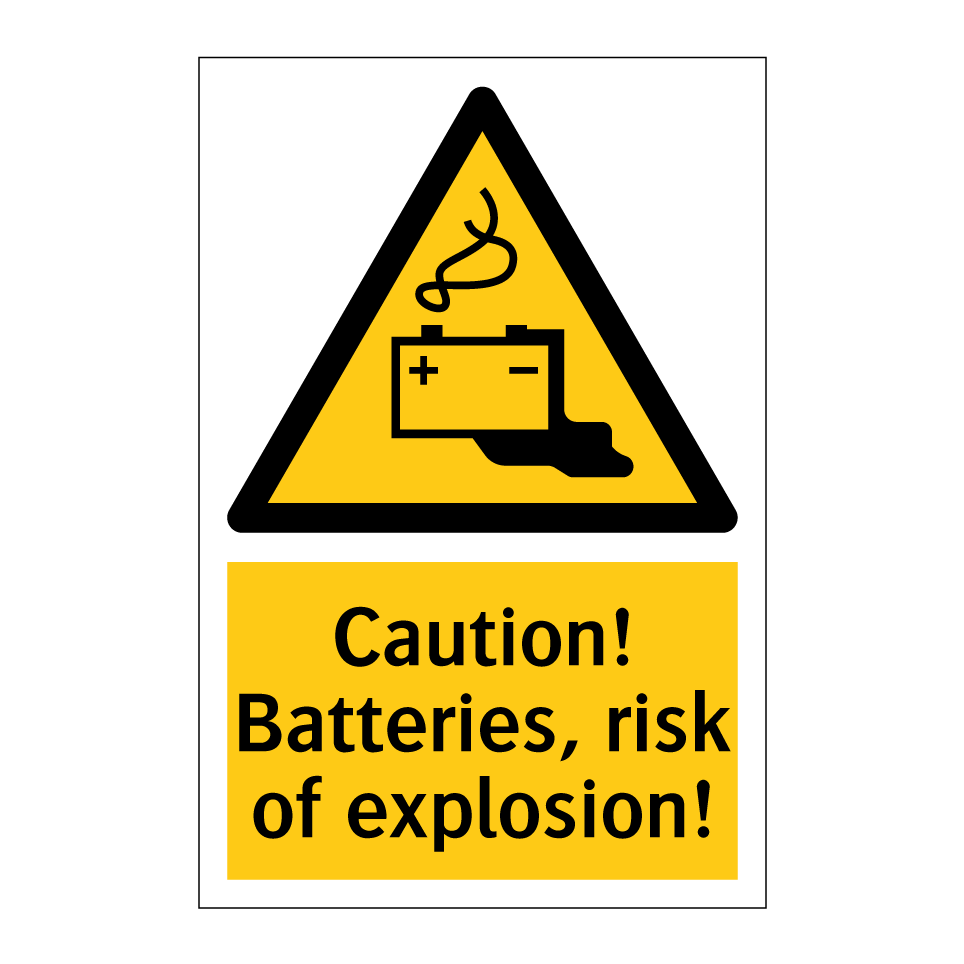
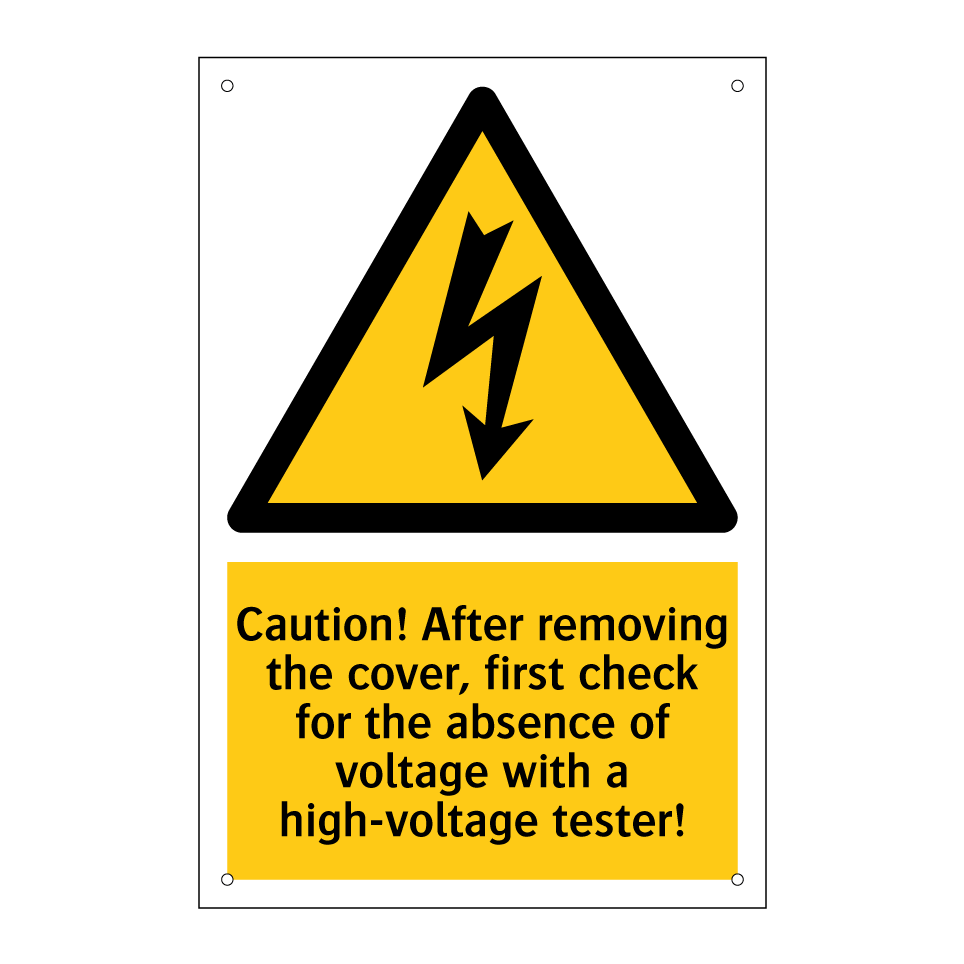
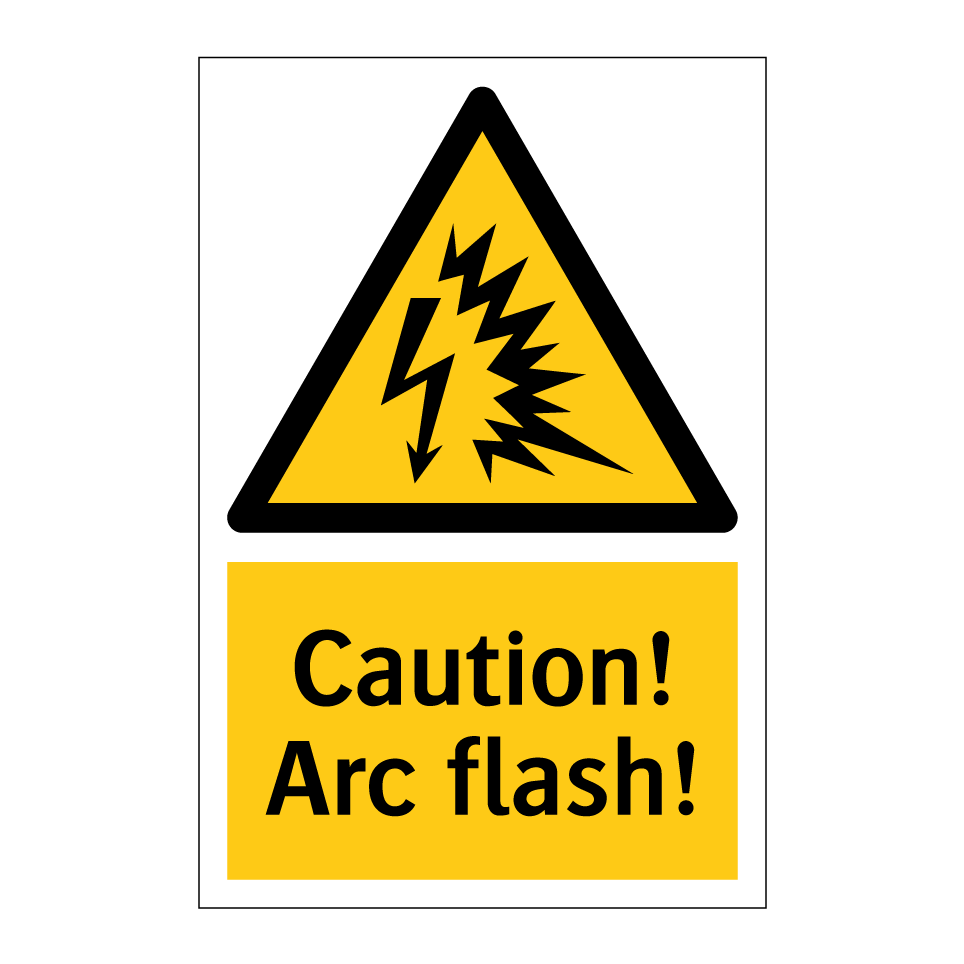
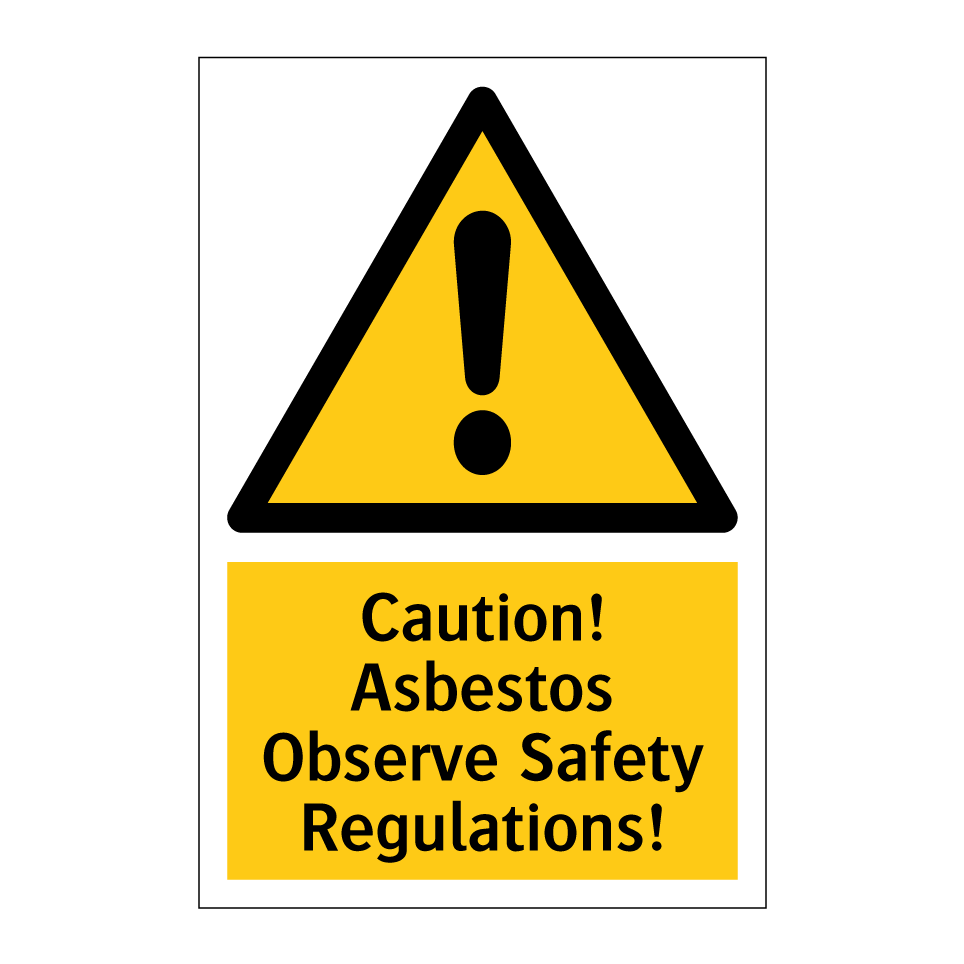
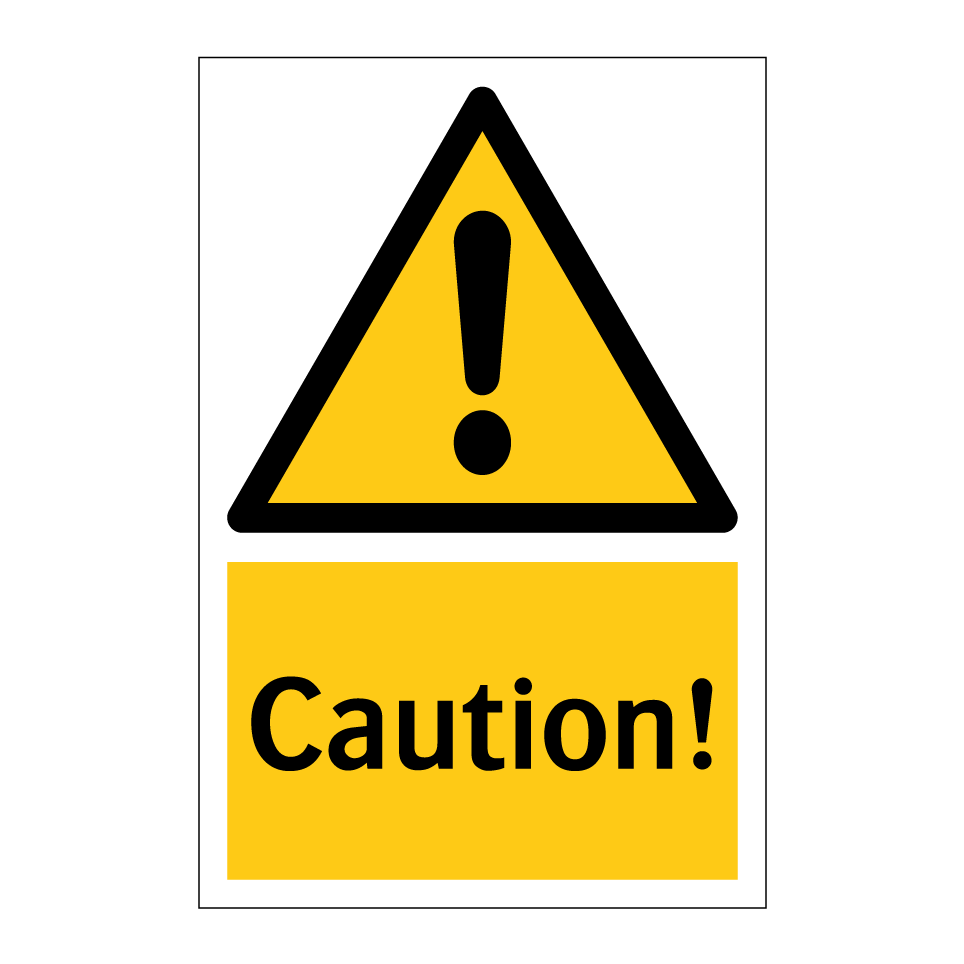
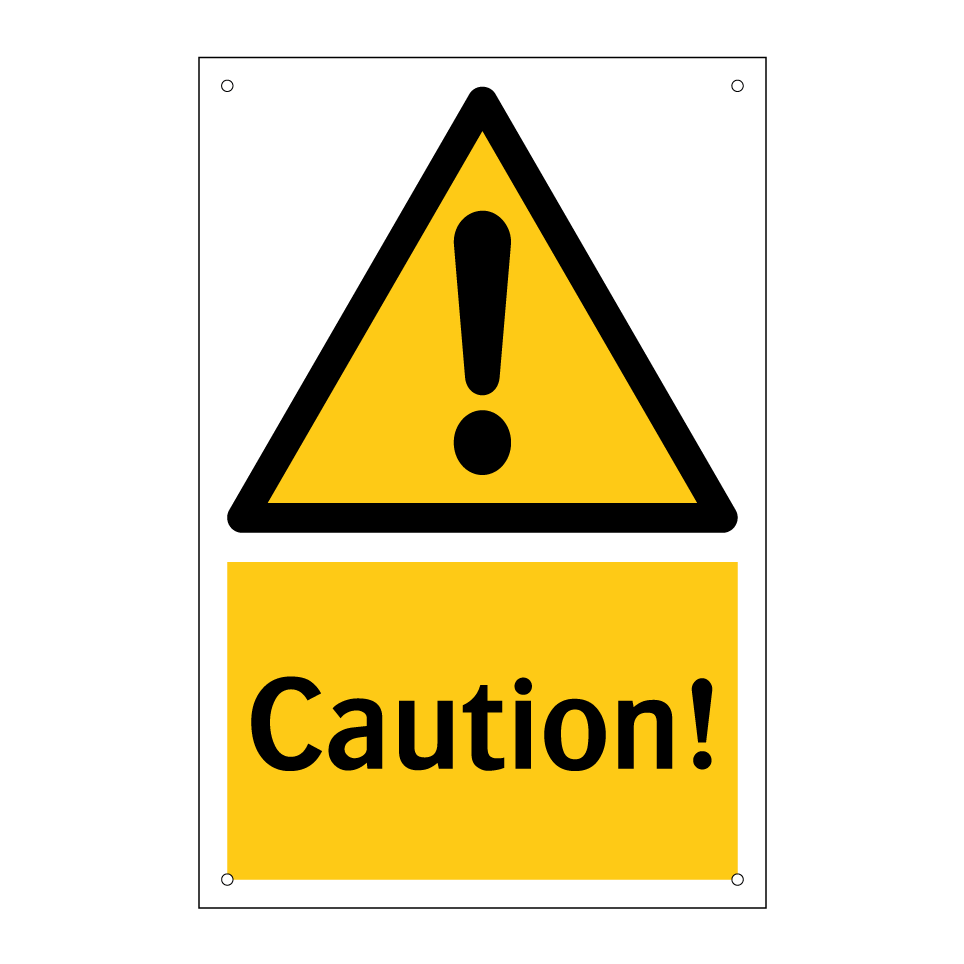
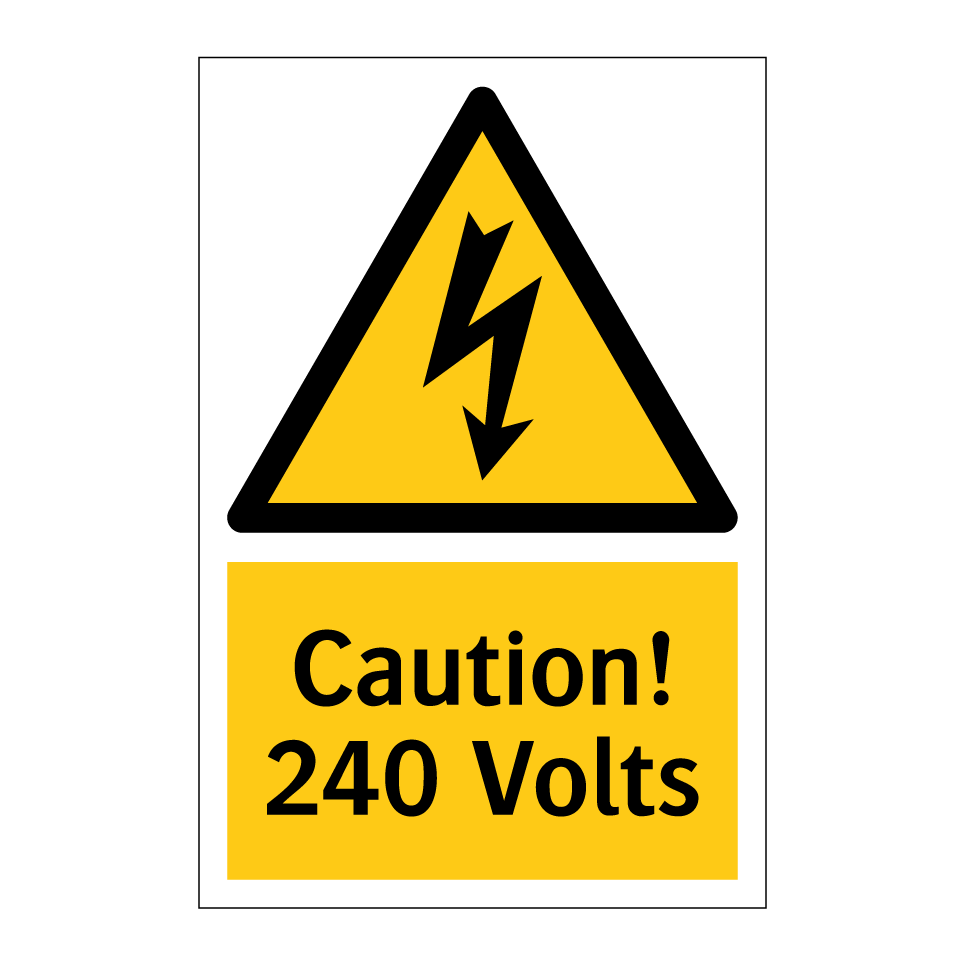
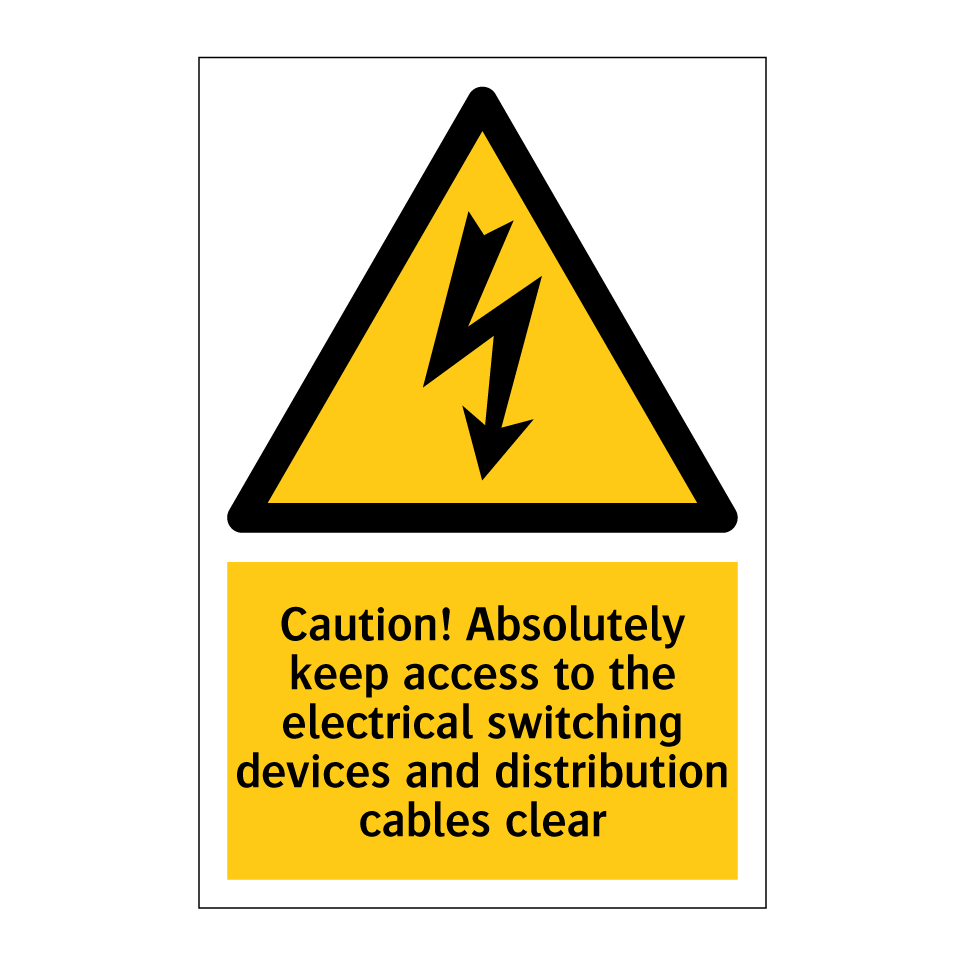
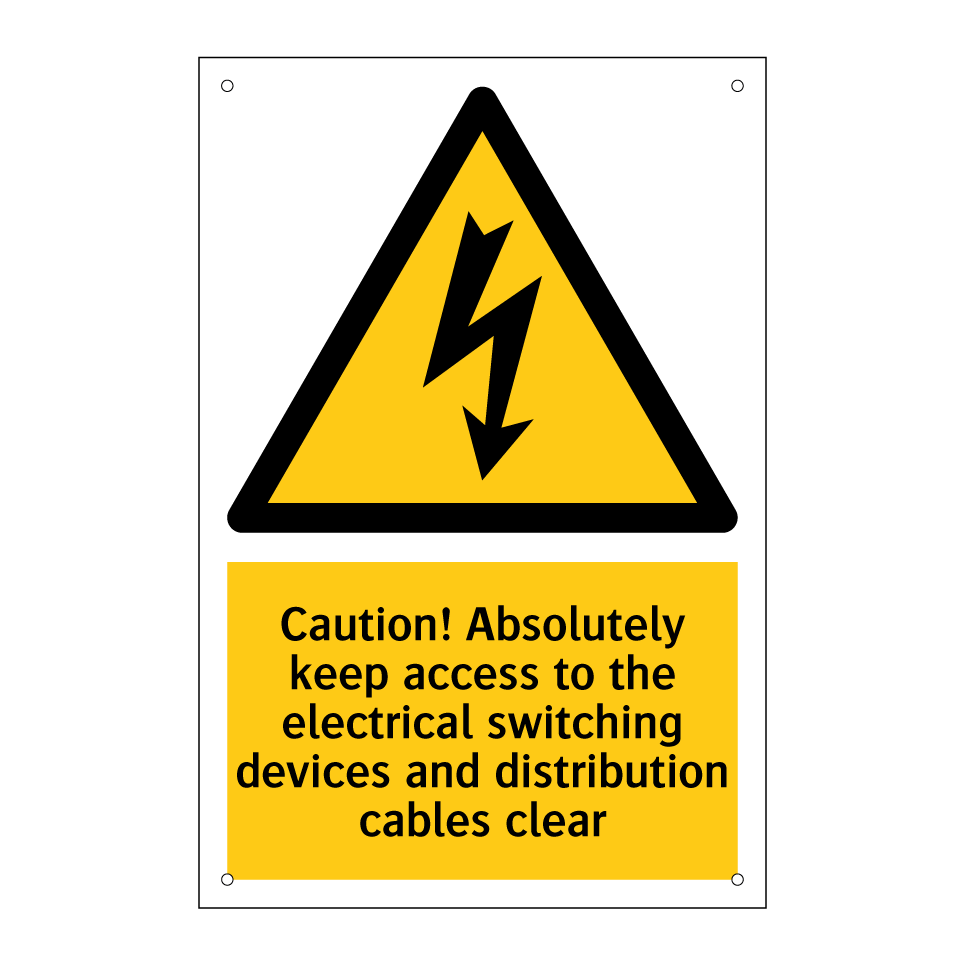
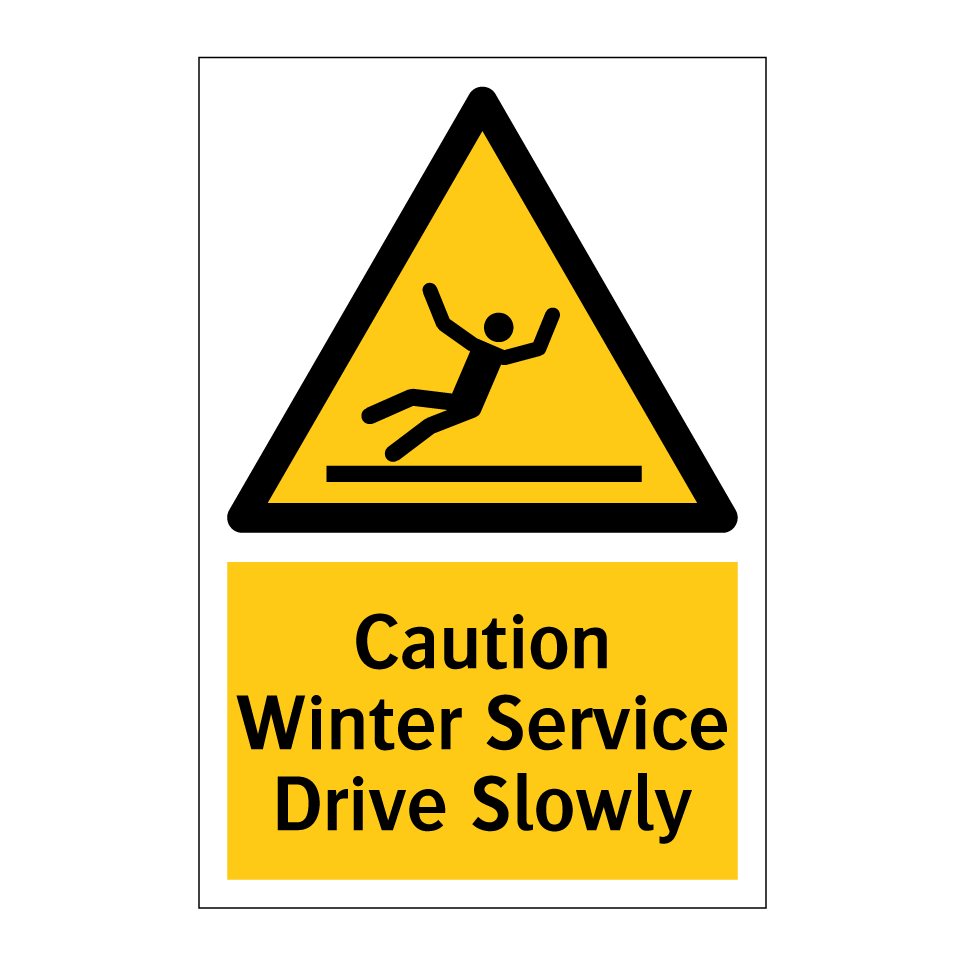
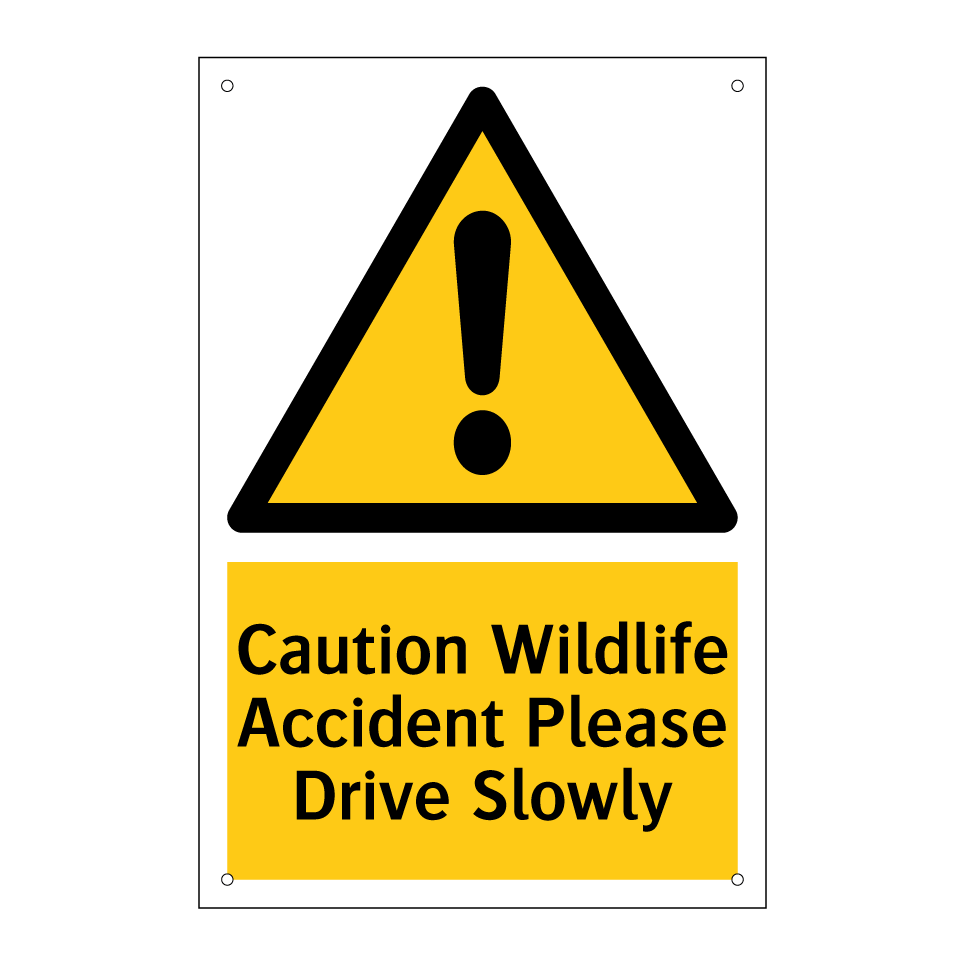
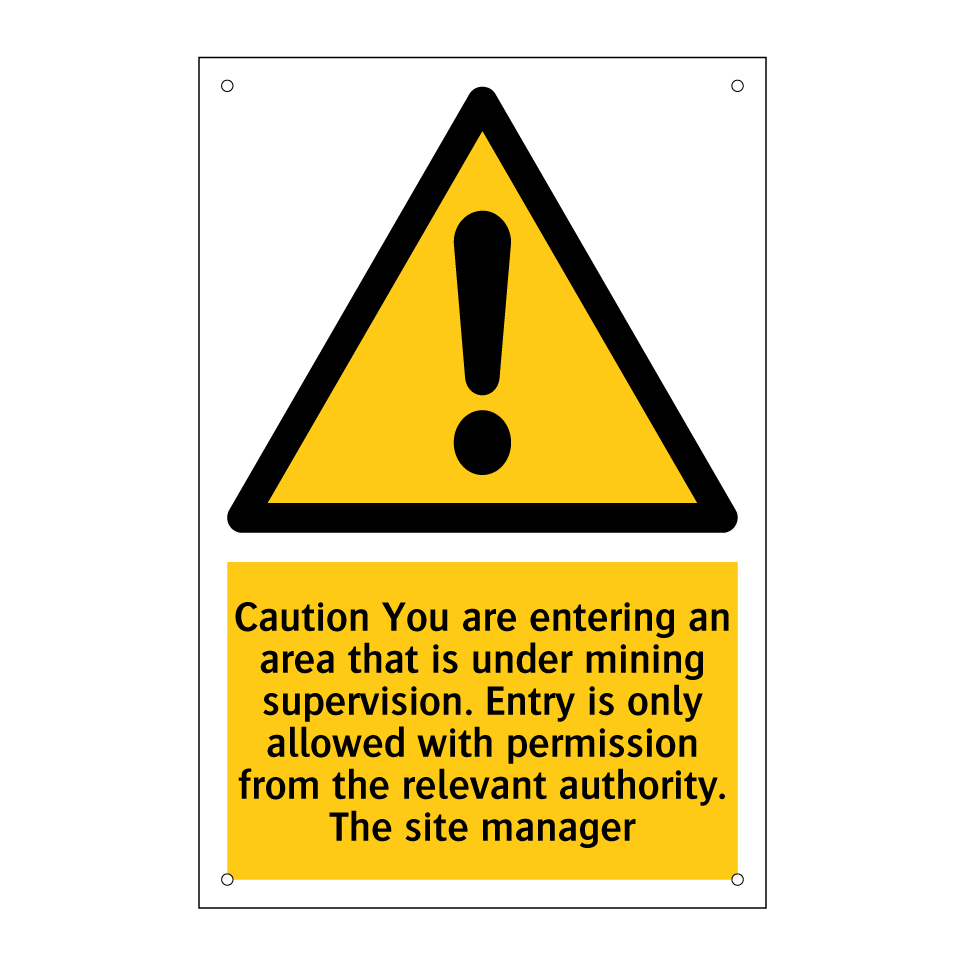
Yellow background with black text and a black safety-alert triangle. This is the convention in both ANSI Z535 and ISO 7010, so it is recognised internationally.
Do caution signs have to meet OSHA requirements?
OSHA references the ANSI Z535 series for workplace safety signage, so using the standard colours, symbols and signal words is the most reliable way to stay aligned with it. Specific duties vary by industry and jurisdiction, so confirm what applies to your site.
Can I make a custom caution sign?
Yes. The online designer lets you set your own text, symbol, size, material and colours, with a live preview and instant pricing before you order.
Are photoluminescent caution signs available?
Yes. Photoluminescent versions stay visible during power failure and are worth specifying in stairwells, plant rooms and anywhere without emergency lighting.